
+86 139 5134 9332 customer601@sunhongco.com
 English
Views: 0 Author: Site Editor Publish Time: 2026-09-01 Origin: Site


Operating a paper machine at maximum velocity creates a profound operational tension. Pushing speeds higher inherently reduces dewatering time. It also exponentially increases the mechanical stress placed on your fabrics. You cannot treat these fabrics as simple commodity purchases. At advanced operational speeds, they become critical capital decisions. The right fabric dictates daily runnability, sheet quality, and overall energy consumption. This guide provides production engineers and procurement managers an evidence-based evaluation framework. You will learn how to analyze structural designs and assess material capabilities effectively. We will outline specific success criteria for forming, pressing, and drying operations. Our goal is to help you shortlist the best technical solutions. You can systematically eliminate bottlenecks and achieve sustainable maximum velocity.
High-speed operations require specialized PMC designed to handle reduced nip dwell times, elevated centrifugal forces, and increased abrasion.
Selecting a Forming Fabric for High Speed Paper Machine applications requires prioritizing Triple-Layer (SSB) designs to balance rapid drainage with high fiber retention.
Evaluating press felts must center on vibration resistance and rapid compaction recovery, utilizing multi-axial base structures.
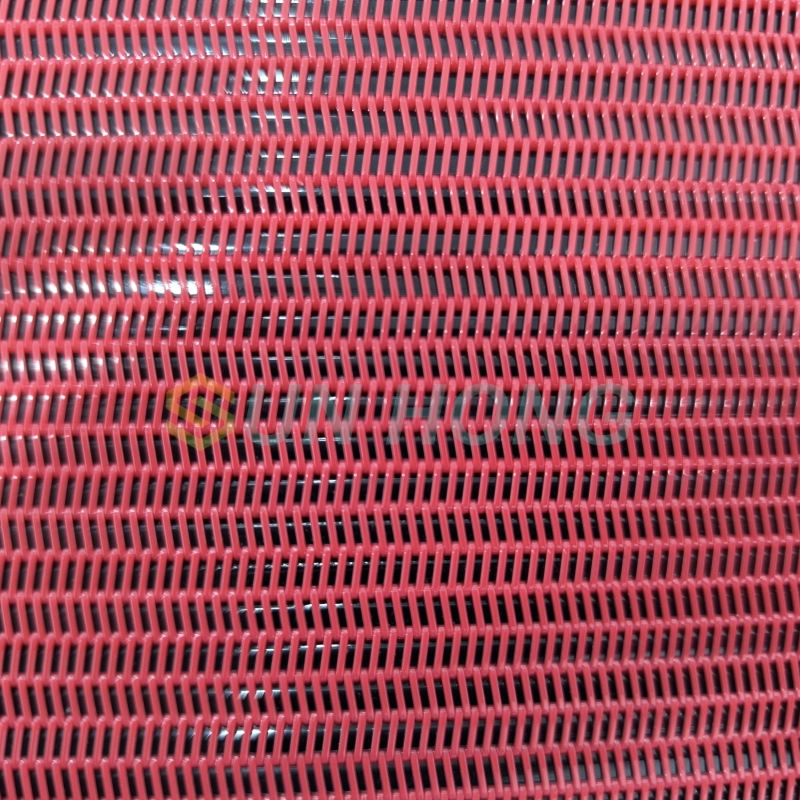
Specifying a Spiral Dryer Fabric for High Speed Paper Machine usage demands strict permeability control to prevent sheet flutter and aerodynamic breaks.
Vendor selection should be based on trial data and technical service capacity.
Speeds exceeding 1,200 to 1,500 meters per minute drastically change the papermaking environment. They severely reduce the time available for water removal. This creates a massive dwell time deficit in the forming and press sections. Water must evacuate in a matter of milliseconds. Standard fabrics cannot manage this rapid fluid displacement.
You also face immense mechanical stress amplification. Rolls spinning at maximum velocities generate extremely high centrifugal forces at the wraps. Vacuum drag increases significantly across the suction boxes. The nip experiences intense hydraulic pressure. These physical forces quickly degrade inadequate materials. You need strict success criteria when evaluating High Speed Paper Machine Clothing.
Look for three primary attributes. First, demand exceptional dimensional stability. The fabric must resist stretching or narrowing under high dynamic tension. Second, mandate aerodynamic neutrality. The surface must minimize air carrying to prevent destructive sheet flutter. Finally, prioritize rapid startup capability. Reaching optimal steady-state dewatering faster is crucial. It minimizes off-quality tonnage after every scheduled fabric change. High-performance fabrics integrate these attributes seamlessly to survive continuous operation.
Your core challenge lies in balancing aggressive initial drainage requirements. You must remove water rapidly while preventing wire mark and fiber bleed-through. When velocity increases, the suction forces pull fibers harder into the mesh. This causes severe retention issues if you choose the wrong structure.
Standard single or double-layer designs fail in high-speed applications. They lack the void volume necessary to handle heavy drag loads. They also suffer from rapid wear because the papermaking yarns directly bear the mechanical stress. You need Sheet Support Binder (SSB) or triple-layer designs.
An SSB Forming Fabric for High Speed Paper Machine isolates the papermaking surface from the wear surface. Fine yarns on top ensure excellent sheet release and high retention. Coarse, durable yarns on the bottom provide rugged resistance against vacuum drag.
You should track several critical metrics during your evaluation process.
Fiber Support Index (FSI): Determine the minimum thresholds required for your specific grades. Tissue and fine paper demand an exceptionally high FSI to maintain softness and printability. Packaging grades allow lower FSI for higher drainage.
Drainage Capacity and Void Volume: Assess the fabric's ability to handle high headbox flows. The structure must drain fast without flooding the former. It must manage sudden surges in water volume effortlessly.
Caliper and Wear Potential: Understand the delicate trade-offs. Thinner fabrics improve dewatering efficiency by shortening the fluid path. However, thicker yarn diameters extend the overall operational lifespan. You must find the optimal middle ground.
The press section presents a brutal operational environment. You must extract water in milliseconds. At the exact same time, you must prevent fabric compaction, sheet crushing, and severe machine vibration. The forces in the nip multiply exponentially at top speeds.
Traditional woven bases often cause immediate problems at high velocities. They contain rigid knuckle points that disrupt uniform pressure. These pressure spikes crush the wet web. We recommend transitioning to laminated, multi-axial, or non-woven base fabrics. These modern structures eliminate localized knuckle points. They ensure perfectly uniform pressure distribution across the entire nip. This uniformity protects your sheet integrity.
Effective Paper Machine Clothing uses engineered stratified batt layers. You want coarse inner fibers to provide necessary void volume for water storage. You need fine outer fibers to deliver a smooth surface profile. This specific combination promotes rapid capillary transfer of water away from the sheet. It actively prevents re-wetting as the sheet exits the nip.
High roll speeds frequently trigger harmful resonance. You must evaluate the density profiles of your felts. The felt must maintain a highly consistent dynamic caliper over its entire lifecycle. Rapid compaction recovery is essential. It prevents bouncing and severe vibrations. A resilient felt keeps your press section running smoothly and protects your expensive roll covers.
Drying efficiency battles constantly against sheet runnability. High speeds create destructive boundary layers of air. This violent air movement causes sheet flutter, edge curling, and aerodynamic breaks.
You must evaluate the contact area of the fabric carefully. A highly smooth surface maximizes direct heat transfer from the steam cylinder to the sheet. A Spiral Dryer Fabric for High Speed Paper Machine utilizes low-profile, non-marking seams. These specific seam specifications prevent cyclical sheet disruption. Traditional clipper seams often create a physical bump. This bump traps air and breaks the sheet at high speeds.
Selecting the precise CFM (cubic feet per minute) rating is absolutely critical. Use a simple industry rule of thumb. Lower permeability is often required at the very beginning of the dryer section. This helps control early air movement when the sheet remains weak and wet. You can gradually increase the permeability rating as you move toward the dry end. This maximizes final moisture evaporation.
Your fabrics face brutal high-speed, high-temperature conditions. Assess the yarn metallurgy and polymer blends rigorously. Materials like Polyphenylene Sulfide (PPS) offer exceptional resistance. They withstand hydrolysis and intense thermal degradation much better than standard PET yarns. PPS ensures your fabric maintains its physical integrity during long production runs.
Upgrading to premium clothing will not solve fundamental mechanical flaws. You must maintain realistic rollout expectations. A new fabric cannot fix bad machine alignment. It will not cure poor stock preparation chemistry.
Fabrics on crescent formers and high-speed units often fail early due to external factors.
High-Pressure Shower Damage: Incorrect nozzle angles cut directly into delicate surface yarns. Excessive water pressure destroys the fabric matrix. You must calibrate your showers regularly.
Contamination and Guiding Failures: Pitch, stickies, or wet strength resins often blind the fabric. This localized blinding causes uneven tension. It leads to rapid edge wear and severe guiding issues.
Vacuum Box Friction: Uncalibrated vacuum levels pull the fabric too hard against the ceramic covers. This increases drag loads far beyond the fabric's tensile limits. It burns out the wear side prematurely.
You must take proactive risk mitigation steps. Conduct mandatory machine audits before installing any new fabric. Check roll alignment, doctor blade angles, and shower conditions carefully. Verify your vacuum profiles. Fix the machine first, then upgrade the clothing.
You need to look far beyond the basic technical spec sheet. Evaluate a vendor based on their ability to deliver consistent outcomes, not just raw materials. You are buying a long-term technical partnership.
Use a structured approach to compare potential suppliers. The table below outlines key evaluation criteria for procurement teams.
Supplier Evaluation Matrix for High-Speed Applications
Evaluation Category | What to Look For | Impact on Production |
|---|---|---|
Technical Service SLA | Frequency of on-site audits, wear analysis, and vibration monitoring provided by the vendor. | Ensures proactive maintenance, optimizes fabric life, and prevents catastrophic failures. |
Trial Run Protocols | Clear, phased trial plans with defined baseline metrics and success KPIs. | Provides measurable proof of performance before committing to a full mill conversion. |
Customization Capability | Ability to tweak yarn counts, batt blends, and permeability ratings based on post-trial data. | Tailors the fabric behavior directly to your unique machine conditions and paper grades. |
Procurement teams must demand deep technical support. A strong partner will analyze your worn fabrics in their laboratory. They will recommend structural tweaks for the next order. They act as an extension of your own engineering team.
Achieving maximum machine speeds is a holistic system requirement. Your fabrics act as the critical interface between the heavy machinery and the delicate paper sheet. You must balance drainage, stability, and durability against the specific grade of paper you produce. The physics of high-velocity operations demand precise structural designs. We highly recommend initiating a baseline machine audit immediately. Work closely with a shortlisted technical partner to establish current operational bottlenecks. Fix your alignment and shower issues first. Then, you can confidently request advanced fabric trials. This systematic approach ensures you unlock your machine's true speed potential safely and efficiently.
A: Upgrading typically shows a strong return on investment within three to six months. You gain value through increased machine speeds, fewer web breaks, and reduced steam consumption in the dryer section. The exact timeline depends entirely on your baseline efficiency and the specific grades you produce.
A: Faster speeds drastically reduce the nip dwell time. The press felt must possess a higher initial void volume to absorb water almost instantly. It also requires rapid compaction recovery to maintain that volume on every single revolution, effectively preventing sheet crushing.
A: Tissue production requires extremely fast initial drainage without sacrificing sheet softness. A triple-layer (SSB) fabric separates the top papermaking layer from the bottom wear layer. It provides the high fiber support index (FSI) needed for tissue, while handling aggressive drag loads seamlessly.
A: You should request single-section trials from your supplier. Install the fabric in a highly monitored middle dryer section first. Use high-speed cameras and airflow sensors to monitor boundary layers and sheet flutter. Adjust the CFM permeability based on this localized trial data.
A: You will notice an increase in sheet flutter, frequent web breaks, or excessive vibration in the press section as you increase velocity. High steam demand in the dryer section also indicates poor upstream dewatering. These symptoms confirm your current fabrics cannot handle faster speeds.
