
+86 139 5134 9332 customer601@sunhongco.com
 English
Views: 0 Author: Site Editor Publish Time: 2025-05-28 Origin: Site


In the realm of industrial applications, the doctor blade functions are pivotal for ensuring optimal performance and product quality. These blades, though seemingly simple, play a critical role in various processes such as paper making, printing, and coating. Their ability to clean, meter, and control the distribution of materials on rollers and cylinders makes them indispensable in these industries.
Understanding the significance of doctor blades requires a comprehensive exploration of their functionality, material composition, and application. This article delves into the intricate details of doctor blades, shedding light on their essential role in maintaining roller surface quality and enhancing the efficiency of industrial machinery.
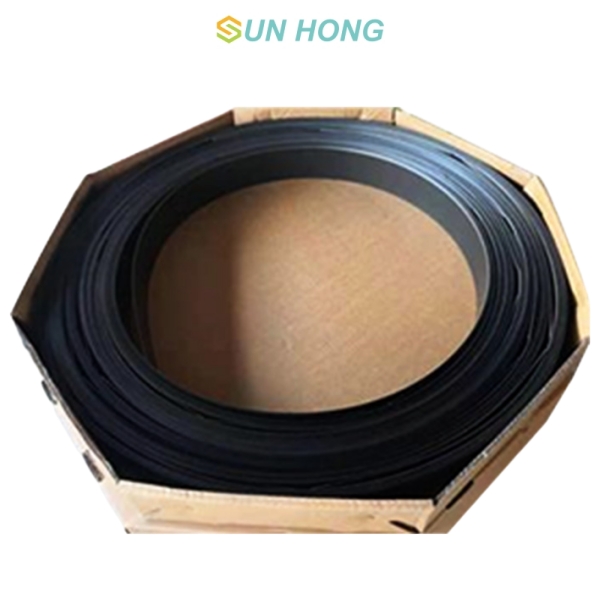
Doctor blades serve multiple purposes in industrial operations. Primarily, they are tools for cleaning and removing excess materials from the surface of rollers or cylinders. In paper machines, for instance, they ensure that residual pulp or coatings do not adhere to the rollers, which could otherwise lead to defects in the paper product.
Moreover, doctor blades are instrumental in metering applications. In coating processes, they help control the thickness of the applied layer, ensuring uniformity and consistency. This precision is crucial in industries where product specifications are stringent, and any deviation can result in significant quality issues.
Carbon fiber doctor blades are known for their high strength-to-weight ratio and excellent rigidity. They are less prone to deformation, which ensures consistent contact with the roller surface. This material choice enhances the cleaning efficiency and extends the blade's service life.
Glass fiber blades offer a good balance between cost and performance. They are corrosion-resistant and suitable for applications where chemical exposure is a concern. Their flexibility allows for better conformity to roller surfaces with minor imperfections.
HDPE blades are valued for their abrasion resistance and low friction characteristics. They are ideal for applications requiring gentle contact with delicate surfaces, reducing the risk of damage to the rollers or cylinders.
Phosphor bronze blades are used in high-temperature applications due to their thermal stability. They possess excellent fatigue resistance and are suitable for demanding environments where other materials may fail.
Stainless steel blades are durable and resistant to corrosion. They are commonly used in environments where hygiene is essential, such as in the food processing or pharmaceutical industries. Their robustness ensures a long service life even under rigorous conditions.
 Importance in Paper Machine Cleaning
In paper manufacturing, maintaining the cleanliness of machine components is critical. The paper machine cleaning process relies heavily on the effectiveness of doctor blades. By removing excess water, pulp fibers, and fillers from rolls, doctor blades prevent contamination and buildup that can lead to paper defects like streaks or holes.
Additionally, consistent cleaning reduces the downtime required for manual cleaning and maintenance. This efficiency contributes to higher production rates and cost savings, emphasizing the importance of selecting the appropriate doctor blade material and design for specific paper machine applications.
Roller surface quality directly impacts the quality of the final product, whether it's paper, printed materials, or coated substrates. Doctor blades play a crucial role in maintaining smooth and clean roller surfaces. They prevent the accumulation of residues that can cause imperfections or unevenness in the product.
Moreover, the use of specialized materials like carbon fiber or stainless steel in doctor blades can minimize wear on the rollers themselves. This not only extends the life of the rollers but also ensures that the surface characteristics remain consistent over time, leading to uniform product quality.
In printing, doctor blades are essential for the precise application and removal of inks. They are used in processes like gravure and flexographic printing to control ink thickness and remove excess ink from the printing cylinder. This control is vital for achieving high-resolution images and consistent color quality.
The selection of doctor blade material in printing is critical. For example, stainless steel blades may be preferred for their sharpness and precision, while plastic or composite blades might be used to reduce wear on expensive printing cylinders.
Coating applications rely on doctor blades to ensure even distribution of coating materials on substrates. Whether in the production of coated papers, films, or textiles, the blade's ability to control coating weight and uniformity is imperative.
Innovations in doctor blade technology, such as advanced edge profiles and materials, have enhanced coating quality. These advancements allow for thinner and more precise coatings, which can improve product performance and reduce material costs.
The performance of a doctor blade is influenced by its condition and maintenance. Regular inspection and timely replacement are essential to prevent defects in the final product. Wear patterns on blades can indicate issues with alignment or pressure that need addressing.
Implementing a proactive maintenance schedule can minimize downtime and extend the lifespan of both the blades and the rollers. Additionally, partnering with reputable suppliers for quality blades ensures consistency and reliability in operations.
Recent developments have led to the creation of composite doctor blades that combine the benefits of different materials. For example, blades with a steel core and a polymer edge can offer both strength and gentle contact, reducing wear on rollers while maintaining effectiveness.
Furthermore, coatings and surface treatments on doctor blades can enhance their performance. Anti-corrosive treatments and wear-resistant coatings can extend blade life and improve operational efficiency.
The choice of doctor blade material can have environmental implications. For example, selecting recyclable or biodegradable materials can reduce the environmental footprint of industrial operations. Additionally, proper handling and disposal of worn blades are important to comply with environmental regulations.
Safety is another critical aspect. Sharp blades pose risks to personnel during installation and maintenance. Implementing safety protocols and using blades designed with safer handling features can mitigate these risks.
Choosing the appropriate doctor blade involves analyzing the specific requirements of your operation. Factors to consider include the type of material being processed, the operating environment, and the desired balance between blade life and performance.
Consulting with experts and suppliers can provide valuable insights. Customized solutions may be necessary for unique applications, ensuring that the doctor blade functions optimally within the system.
Doctor blades are an essential component in various industrial processes. Their role in cleaning, metering, and controlling material application cannot be overstated. By understanding the different material types such as carbon fiber, glass fiber, HDPE, phosphor bronze, and stainless steel, industries can make informed decisions to enhance their operations.
Emphasizing the importance of maintenance and proper selection ensures that the industrial applications of doctor blades continue to contribute to efficiency and quality in paper making, printing, coating, and beyond.
Investing in the right doctor blade technology is an investment in the future of industrial productivity and excellence.
