
+86 139 5134 9332 customer601@sunhongco.com
 English
Views: 0 Author: Site Editor Publish Time: 2026-09-10 Origin: Site


Premature wear of Paper Machine Clothing (PMC) creates costly disruptions in modern mills. It leads directly to unscheduled downtime. It increases daily energy consumption across your operation. It also severely compromises your final paper quality. We know fabric wear is an inevitable part of high-speed paper production. However, accelerated degradation is usually a solvable mechanical or chemical problem. You do not have to accept shortened fabric life as a permanent operational reality. This article provides a highly systematic approach to fixing these costly issues. We will help you identify hidden wear factors across your machine sections. You will learn how to optimize critical running parameters effectively. We also explore how selecting the correct fabric architectures maximizes your long-term return on investment. By following this guide, you gain actionable strategies to protect your fabrics. You can keep your production lines running longer, faster, and more profitably.
Premature wear is typically driven by mechanical misalignment, abrasive stock contaminants, or improper chemical cleaning regimes.
Upgrading specific section fabrics (e.g., utilizing a Double Layer Forming Fabric or Flat Yarn Dryer Fabric) can drastically alter the wear-to-performance ratio.
Optimal tension and high-pressure shower management are the most cost-effective initial steps to mitigate abrasion.
Evaluating PMC success should be based on Total Cost of Ownership (cost per ton of paper) rather than the initial purchase price of the fabric.
We must first understand why fabrics degrade faster than expected. Wear usually stems from three main categories. These include mechanical forces, abrasive contaminants, and harsh chemistry. Let us explore each root cause in detail to help you diagnose your specific operational challenges.
Misaligned rolls act as a primary culprit for uneven wear. When rolls run out of parallel, they force the fabric to travel unevenly. This creates severe localized abrasion along the edges and center. Degraded suction box covers also generate massive friction. Stationary elements wear down naturally over time. They develop sharp edges, microscopic grooves, or uneven ceramic surfaces. These imperfections scrape heavily against the running fabric constantly. You must monitor these mechanical components closely. Regular laser alignment checks prevent this unnecessary friction. Replacing worn ceramic blades promptly saves your fabrics from catastrophic mechanical damage.
Modern paper recipes often rely heavily on recycled fibers like old corrugated containers (OCC). These recycled fibers bring unwanted debris into the entire system. High levels of ash and harsh fillers compound this problem significantly. Calcium carbonate is notoriously abrasive in alkaline papermaking. These materials act exactly like sandpaper against the machine side of your fabric. They lodge deep into the synthetic yarn structures. As the fabric passes over stationary elements, the trapped fillers grind away the yarns. You need robust stock cleaning systems. Highly efficient centrifugal cleaners help minimize this abrasive load before it ever reaches the headbox.
Chemicals attack synthetic yarns invisibly. Extreme pH levels in cleaning solutions weaken fabric integrity rapidly. Highly acidic or highly alkaline environments cause severe polymer damage over time. Stock chemistry also plays a critical role. For example, hydrolysis frequently degrades polyethylene terephthalate (PET) yarns. High moisture temperatures combined with extreme pH accelerate this specific chemical breakdown. Yarns become extremely brittle. They lose their original tensile strength. They snap easily under normal operating tension. You must balance your chemical cleaning regimes carefully. Always match your chemical pH to the specific synthetic resins used in your clothing.
You need objective baseline metrics to catch wear early. Track these specific symptoms routinely to prevent sudden failures:
Caliper loss: Measure fabric thickness regularly across the entire width. Rapid thinning indicates excessive abrasive drag against stationary elements.
Edge wear: Inspect the fabric edges for fraying or curling. This often signals guide roll misalignment or faulty edge trimming.
Air permeability loss: Monitor changes in fabric openness. A sudden drop suggests severe internal contamination or severe yarn flattening.
Surface roughness: Feel the machine side during shutdowns. A fuzzy texture means yarns are breaking down mechanically.
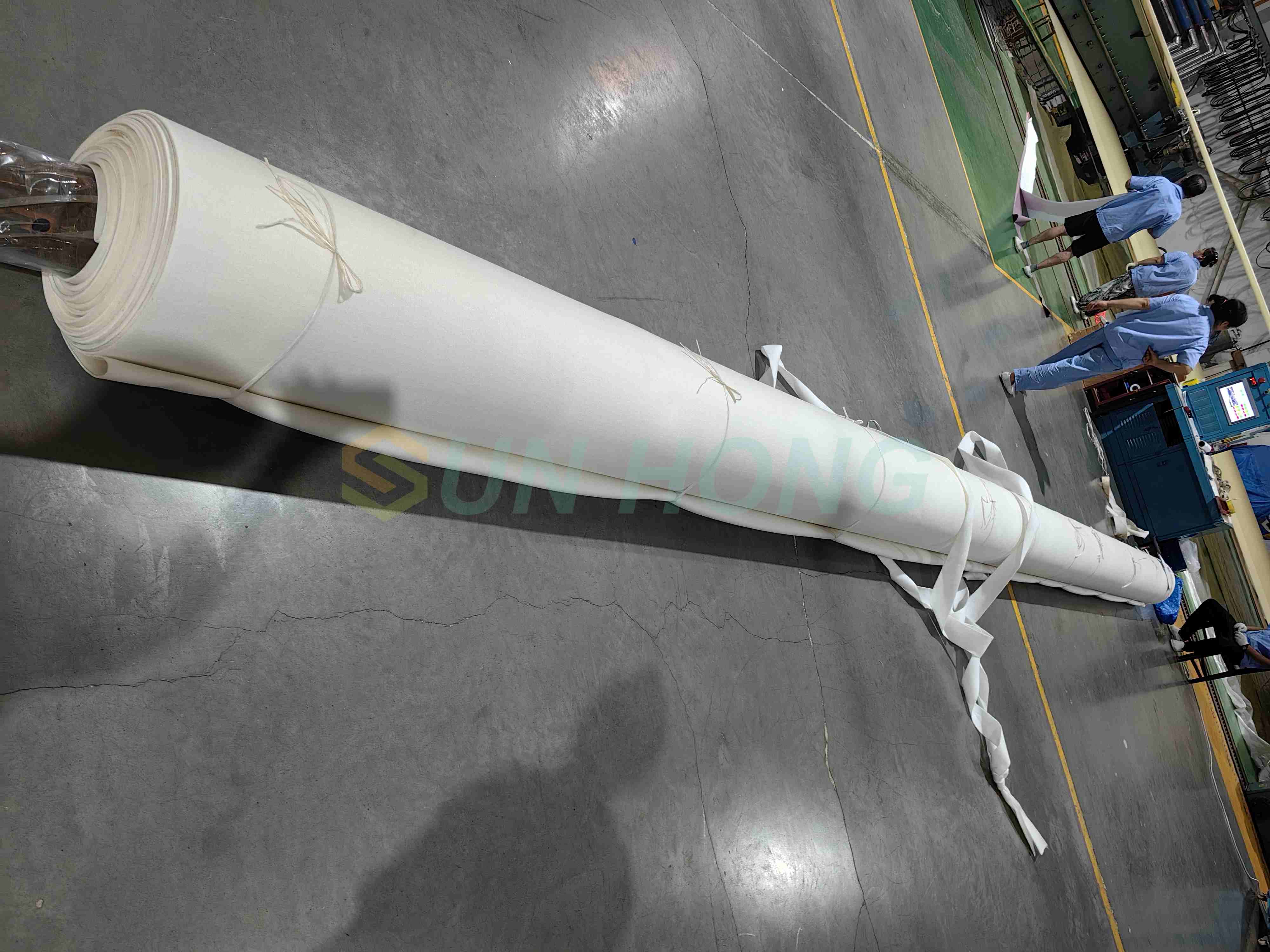
Machine operators control several parameters directly impacting fabric life. Minor daily adjustments can yield major lifespan improvements. You must manage tension, showering, and vacuum levels proactively. Ignoring these parameters guarantees premature fabric failure.
Every fabric requires a narrow window of optimal operating tension. Operating outside this window causes immediate and costly problems. Over-tensioning stretches the synthetic yarns permanently. It accelerates frictional wear across all stationary elements. It also induces premature bearing fatigue on your expensive guide rolls. Under-tensioning presents entirely different dangers. The loose fabric slips repeatedly against drive rolls. This slippage burns the fabric surface quickly. Severe guiding issues also emerge when tension drops too low. You should calibrate your load cells frequently. Maintain running tension strictly within the manufacturer's specified operating range.
High-pressure needle showers keep fabrics clean and open. However, misused showers destroy expensive fabrics rapidly. You must follow strict water pressure guidelines. Never exceed the recommended pressure limits for your specific yarn type. Excessive pressure splinters synthetic yarns internally. Shower angle also matters immensely. Ensure needles hit the fabric at the correct trailing angle to lift debris out. Crucially, never leave high-pressure showers running during machine stops. Stationary showering cuts right through the fabric structure like a water jet. Always interlock your shower pumps directly with the machine drive control system.
The forming section relies heavily on vacuum boxes for efficient dewatering. Finding the right vacuum balance is absolutely vital. You need adequate suction to remove water from the sheet. However, excessive vacuum pulls the fabric down forcefully against the ceramic. This creates an enormous drag load on the forming section drives. High drag load multiplies the abrasive friction between the fabric and covers. We recommend using a graduated vacuum strategy. Apply just enough vacuum to achieve necessary dewatering targets. This methodology prevents excessive wear while maintaining optimal sheet consistency.
Upgrading your fabrics is a highly strategic operational decision. Do not treat fabric selection as a basic maintenance replacement cycle. You must match the specific fabric architecture to your unique operational challenges. Modern designs offer brilliantly engineered solutions for high-wear environments.
The forming section demands rapid drainage and excellent sheet support. It also faces intense abrasive wear from high-vacuum suction boxes. We highly recommend upgrading to a Double Layer Forming Fabric. This architecture provides a dedicated, highly robust machine-side yarn structure. The thick bottom layer absorbs abrasive wear effectively without failing. Meanwhile, the fine top layer remains completely optimized for paper quality and fiber retention. This dual-purpose design handles harsh recycled furnishes brilliantly. It extends overall lifespan heavily without sacrificing critical drainage capacity.
Press felts must resist compaction while handling massive water volumes. A Single Layer Press Felt offers unique advantages in specific mill applications. These felts deliver a very rapid operational break-in period. They work exceptionally well in low-load press environments or older machines. Their simpler internal structure actively prevents abrasive debris entrapment. Contaminants flush out easily during standard high-pressure showering. This keeps the felt consistently open and permeable. It prevents the abrasive internal grinding that destroys heavy multi-layer felts in particularly dirty applications.
Dryer fabrics endure extreme heat, high tension, and deep humidity. Continuous friction over hot dryer cans degrades standard round yarns rapidly. Upgrading to a Flat Yarn Dryer Fabric solves this persistent problem effectively. Flat yarns offer a distinct mechanical advantage over round yarns. They significantly increase the surface contact area against the paper sheet and the hot cylinders. This increased area distributes running friction much more evenly. It sharply reduces localized wear on individual yarn knuckles. Furthermore, the higher contact area improves conductive heat transfer efficiency. You save valuable steam energy while greatly extending fabric life.
Understanding the unique benefits of each architecture helps operators make informed upgrade decisions. Use the comparison below to guide your next purchasing strategy.
Table: Advanced Fabric Architecture Benefits
Machine Section | Fabric Architecture | Primary Wear Resistance Benefit | Secondary Operational Benefit |
|---|---|---|---|
Forming | Double Layer Design | Dedicated bottom wear layer absorbs heavy abrasion | Preserves fine top layer for optimal sheet formation |
Press | Single Layer Design | Resists abrasive debris entrapment in the base weave | Provides rapid break-in and highly efficient cleaning |
Dryer | Flat Yarn Design | Distributes friction evenly across larger surface area | Improves heat transfer and reduces steam usage |
Even the best engineered fabrics fail early without proper operational care. You must implement strict, repeatable maintenance routines. Consistent cleaning protocols keep fabrics open and functioning. Scheduled mechanical inspections catch physical issues before they destroy new clothing prematurely.
Chemical cleaning requires a very careful chemical balance. Continuous cleaning utilizes low-concentration chemicals applied constantly. It applies a steady, mild wash to the running fabric. This proactive method prevents sticky contaminants from settling. It effectively maintains fabric openness without causing catastrophic chemical damage. Batch cleaning uses periodic high-concentration chemical shocks. While highly effective against severe build-up, it risks degrading the synthetic yarns quickly. We strongly suggest prioritizing continuous low-concentration cleaning programs. Reserve harsh batch cleaning strictly for extreme contamination events. Always thoroughly rinse the fabric with fresh water after a batch wash.
Scheduled outages provide critical maintenance windows for your team. You must utilize this valuable downtime effectively. Create a strict physical inspection checklist for your maintenance crew. Follow these key steps:
Inspect all roll surfaces meticulously for pitting, grooving, or hard debris buildup.
Check ceramic suction box covers for micro-chips or uneven wear patterns.
Test shower oscillator functionality to ensure perfectly even cleaning coverage.
Measure fabric caliper profiles systematically across the entire machine width.
Examine automatic guide roll sensors and air paddles for proper mechanical alignment.
Catching a stalled shower oscillator prevents permanent fabric streaking. Finding a chipped ceramic cover saves your next expensive fabric from being sliced entirely.
Proper fabric care starts long before the fabric reaches the machine floor. Incorrect storage degrades synthetic yarns prematurely. Always store new fabrics in a dry, climate-controlled environment. Avoid extreme temperature fluctuations during warehouse storage. Keep them entirely away from direct UV light sources or welding areas. Ultraviolet radiation weakens polymer chains rapidly. When transporting the fabric, handle it extremely gently. Never drag a new fabric across a rough concrete floor. Careful handling preserves the engineered strength of your clothing.
Buyers often fixate entirely on the upfront price tag of new machine clothing. This narrow approach rarely benefits the mill in the long run. We must frame the evaluation around the overall cost per ton of paper produced. A slightly higher initial investment often yields massive operational savings over the year.
Evaluate your fabrics based on their comprehensive operational value. A premium engineered fabric might cost twenty percent more upfront. However, if it lasts thirty percent longer, your cost per ton decreases significantly. It produces considerably more saleable paper during its lifetime. You must track these production metrics closely. Stop comparing simple invoice prices. Start comparing the true economic output generated by each specific fabric installation on your machine.
Unscheduled downtime drains mill profitability instantly. You must accurately quantify the financial impact of extending fabric life. Gaining even one or two extra weeks of continuous run time delivers huge financial savings. It radically reduces direct maintenance labor costs. It eliminates the lost revenue associated with a forced machine shut. Every extra hour of uninterrupted production improves your monthly operating margin. When you buy durable, highly engineered fabrics, you are essentially buying extra production time.
Fabric design directly impacts your total energy consumption. Reduced wear correlates heavily with much lower drive loads. A fabric that glides smoothly over ceramics requires less electrical power to turn. In the dryer section, advanced flat yarn structures lower steam consumption measurably. Improved conductive heat transfer means you use less steam to dry the sheet effectively. Steam and electricity represent massive daily operational expenses. Upgrading your fabrics intelligently helps lower these daily utility costs significantly.
Extending the life of your machine clothing requires a highly comprehensive, holistic approach. You cannot rely on a single quick fix. We must combine rigorous machine audits with strict, repeatable maintenance routines. Engineered fabric selection plays an equally vital role in longevity. You must systematically identify mechanical friction points and manage abrasive stock contaminants effectively. Optimizing critical machine parameters like tension and vacuum levels prevents unnecessary daily wear. Upgrading to advanced, modern architectures delivers immediate and measurable operational benefits.
We highly recommend conducting a thorough wear analysis today. Examine your currently removed fabrics for very specific wear patterns. Consult with a technical specialist to audit your machine's running drive loads. Check your operating tension profiles and vacuum settings accurately. By taking these proactive operational steps, you protect your costly equipment and boost your overall profitability. Start optimizing your fabric strategy right now to secure long-term production success.
A: Lifespans vary significantly by machine section and paper grade. Forming fabrics generally last 30 to 90 days. Press felts typically run for 30 to 60 days. Dryer fabrics can last anywhere from 6 to 18 months. High-speed machines producing abrasive grades like recycled linerboard experience shorter fabric lifespans. Machine speed, stock abrasiveness, and chemical conditions ultimately dictate the exact timeline for your specific operation.
A: You can usually differentiate them by careful physical inspection. Mechanical wear presents as frayed, flattened, or physically abraded yarns on the machine side. You might see localized grooves. Chemical degradation looks entirely different. Yarns affected by harsh chemistry become brittle, discolored, or unusually stiff. They break cleanly without showing signs of physical fraying or flattening. Microscopic analysis confirms these field observations.
A: Not necessarily. Higher revolutions per minute (RPMs) do increase the total number of friction cycles. However, proper machine tuning mitigates this effectively. If you maintain excellent hydrodynamic lubrication, optimal tension, and perfect roll alignment, the wear rate does not increase proportionally. Faster speeds require tighter control over shower parameters and vacuum levels. Well-maintained high-speed machines often achieve excellent fabric lifespans compared to poorly maintained slow machines.
